If going to the bathroom feels difficult, uncomfortable, or even painful, you are not alone. Many people experience straining, incomplete elimination, or the feeling of pushing without results. But bowel movements should not feel like a struggle.
The good news is that there are gentle and natural ways to help your body pass stool easily without pain or frustration.
In this article, we will explore simple techniques and daily habits that support smoother elimination and help restore your gut’s natural rhythm.
Why Passing Stool Can Become Difficult
Healthy bowel movements depend on several key factors:
- Proper hydration
- Balanced gut bacteria
- Relaxed pelvic floor muscles
- Adequate fiber intake
- Regular movement
- Proper timing and posture
When one or more of these are out of balance, stool can become hard, dry, or slow to move. This often leads to straining and discomfort.
What Happens When You Strain
Straining may feel productive in the moment, but it can create long term problems.
It can:
- Increase the risk of hemorrhoids
- Cause anal fissures
- Weaken the pelvic floor
- Increase pressure and inflammation
Instead of forcing a bowel movement, the goal is to create the right conditions for your body to release naturally.
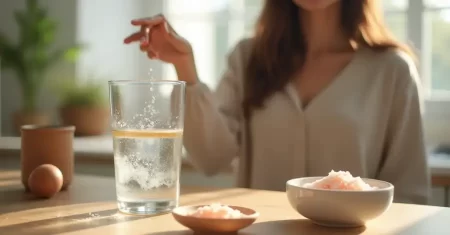
1. Hydrate First Thing in the Morning
Start your day with 8 to 12 ounces of warm or room temperature water. You may add lemon if you prefer.
Water helps soften stool and stimulates the colon. Many people notice the urge to go within 30 to 60 minutes after hydrating.
Consistent hydration throughout the day is just as important as morning water.
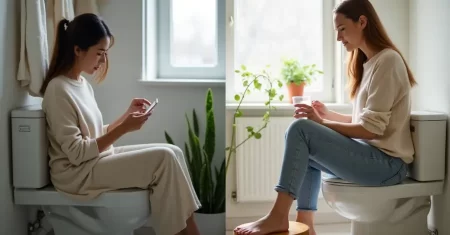
2. Adjust Your Bathroom Posture
Sitting upright at a 90 degree angle can make elimination more difficult.
What to do
- Use a small footstool about 6 to 9 inches high
- Raise your knees above hip level
- Lean forward slightly
- Keep your abdomen relaxed
This position helps straighten the rectum and relax the muscles needed for a smoother bowel movement.
3. Create a Calm Bathroom Routine
Your nervous system directly affects digestion.
Rushing, scrolling on your phone, or feeling pressured can interfere with elimination.
Try this instead
- Set aside 10 to 15 minutes
- Breathe slowly
- Avoid distractions
- Allow your body to respond naturally
A calm environment supports easier release.
4. Add Fiber Gradually
Fiber gives your colon something to push against and helps keep stool soft.
Aim for a mix of:
- Soluble fiber such as oats, chia, flax
- Insoluble fiber such as leafy greens, carrots, and fruit skins
Increase fiber gradually and pair it with adequate water intake.
5. Move Your Body Daily
Physical movement stimulates gut motility.
Helpful options include:
- A 10 to 20 minute walk after meals
- Gentle yoga such as knees to chest or cat cow
- Light stretching
Even small amounts of daily movement can support regular elimination.
6. Try Gentle Abdominal Massage
Massaging your abdomen can help stimulate the colon.
How to do it
- Lie down comfortably
- Massage in a clockwise direction
- Start at the lower right side, move upward, across, and then down
- Continue for 5 to 10 minutes
Combine with deep breathing for added relaxation.
7. Practice Deep Belly Breathing
Shallow breathing keeps your body in a stressed state. Deep belly breathing signals relaxation.
Simple technique
- Inhale through your nose for 4 counts
- Let your belly rise
- Exhale slowly for 6 counts
- Repeat for several minutes
This helps relax the pelvic floor and supports natural elimination.
Eat Gut Friendly Foods
Certain foods may help support easier bowel movements:
- Prunes or prune juice
- Oatmeal with flaxseed
- Papaya or kiwi
- Cooked spinach or zucchini
- Healthy fats such as olive oil or avocado
Limiting heavily processed and fried foods can also support smoother digestion.
9. Respond to Natural Urges
Ignoring the urge to go can train your body to delay elimination.
Try to use the bathroom at the same time each day, especially after breakfast or morning movement.
Consistency strengthens your natural rhythm.
When to See a Doctor
Speak with a healthcare provider if you experience:
- Ongoing painful bowel movements
- Blood in your stool
- No bowel movement for more than 3 days
These symptoms may require medical evaluation.
Final Thoughts
Learning how to pass stool easily is not about one quick fix. It is about creating the right daily conditions for your body to function naturally.
Focus on:
- Hydration
- Posture
- Movement
- Fiber
- Relaxation
- Consistency
When these foundations are in place, bowel movements often become smoother and less stressful.
If you feel like you are doing the basics but still need extra support, some people choose to include additional gut support as part of their routine.
👉 You can learn more here: SuperGut.com
Because going to the bathroom should feel natural, not like a struggle.