
Choosing the right foods for constipation can dramatically improve how your body eliminates waste and reduce bloating, discomfort, and sluggish digestion.
Constipation affects more than your gut. It can impact mood, sleep, energy, and confidence. The good news is that small adjustments in what you eat and what you avoid can restore regularity naturally.
Here is a clear guide to the best foods for constipation and the ones that may slow digestion even more.
What to Eat When You’re Constipated
The best foods for constipation are rich in soluble fiber, hydration, healthy fats, and gut-supportive nutrients.
1. Cooked Vegetables
Cooked vegetables are easier to digest than raw ones while still providing fiber and water.
Best choices:
- Spinach
- Zucchini
- Carrots
- Kale
Cooking breaks down tough fibers and makes them gentler on sensitive digestion.
2. Chia and Flax Seeds
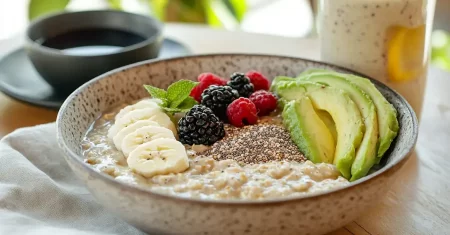
These seeds are powerful foods for constipation because they absorb water and form a gel-like consistency.
Benefits:
- Soften stool
- Feed beneficial bacteria
- Support regularity
Tip: Soak 1 tablespoon before consuming.
3. Oats
Oats contain beta-glucan, a soluble fiber that helps regulate bowel movements.
Best option:
Warm oatmeal topped with berries and ground flaxseed.
4. Ripe Bananas
Ripe bananas help add moisture and bulk to stool.
Important:
Choose bananas with brown spots. Green bananas may worsen constipation.
5. Prunes and Dried Figs
Prunes contain sorbitol, which draws water into the colon.
Recommended amount:
2 to 4 prunes or figs daily.
6. Kiwi
Research suggests that kiwi improves stool frequency and consistency.
Easy addition:
Two kiwis per day as a snack.
7. Warm Fluids
Hydration is essential when increasing foods for constipation.
Helpful options:
- Warm lemon water
- Ginger tea
- Peppermint tea
Warm liquids stimulate digestive movement more effectively than cold drinks.
8. Healthy Fats
Olive oil, avocado, and nuts help lubricate the digestive tract.
Healthy fats:
- Support smoother elimination
- Aid nutrient absorption
- Reduce inflammation
9. Fermented Foods
Kefir, sauerkraut, and miso introduce beneficial bacteria.
Start slowly:
Small daily portions support microbiome balance.
10. Lentils and Cooked Beans
High in fiber and resistant starch, they support regular bowel movements.
If sensitive:
Start with small servings and increase gradually.
What to Avoid When You’re Constipated
Certain foods can worsen constipation by slowing digestion or dehydrating the colon.
1. Processed Foods
Low in fiber and high in additives, processed foods reduce digestive efficiency.
Avoid:
- Chips
- Frozen meals
- Pastries
- Fast food
2. Excess Dairy
Cheese and ice cream can be binding for many people.
If sensitive:
Try plant-based alternatives.
3. Red Meat
Red meat lacks fiber and digests slowly, which may delay bowel movements.
If consumed:
Pair with fiber-rich vegetables.
4. Green Bananas
Unripe bananas contain resistant starch that can worsen constipation.
Choose fully ripe bananas instead.
5. Fried Foods
Greasy foods delay gastric emptying and increase sluggishness.
Better option:
Baked or lightly sautéed meals.
6. Alcohol
Alcohol dehydrates the body and reduces available fluid in the colon.
Hydration is critical when managing constipation.
7. Excess Caffeine
While small amounts may stimulate bowel movements, too much caffeine can lead to dehydration.
Balance intake and increase water consumption.
Simple Guidelines for Choosing Foods for Constipation
When your digestion slows down:
- Choose warm, cooked meals
- Increase hydration
- Add soluble fiber gradually
- Include healthy fats
- Avoid overly processed foods
Consistency is more effective than drastic changes.
Final Thoughts
The right foods for constipation create an internal environment where your body can eliminate naturally and comfortably. You do not need an extreme cleanse. You need steady, consistent support.
When you regularly choose fiber-rich foods for constipation, stay hydrated, and include healthy fats, your digestion becomes more predictable and resilient over time.
If you are already improving your diet and hydration but still experience irregular digestion, some women choose to add targeted prebiotic support to nourish beneficial bacteria more directly.
SuperGut is one example designed to complement fiber-rich meals and help strengthen the microbiome at its foundation.
Your digestive system responds best to patience, nourishment, and consistency – not force.
Next up: 5 Gut-Healing Smoothies to Beat Bloating & Boost Energy
Related Articles



1 Comment
[…] Next up: What to Eat and Avoid When You’re Constipated […]